
The Lifeblood of Your Engine: The Importance of Engine Oil
What Is Engine Oil and What Does It Do?
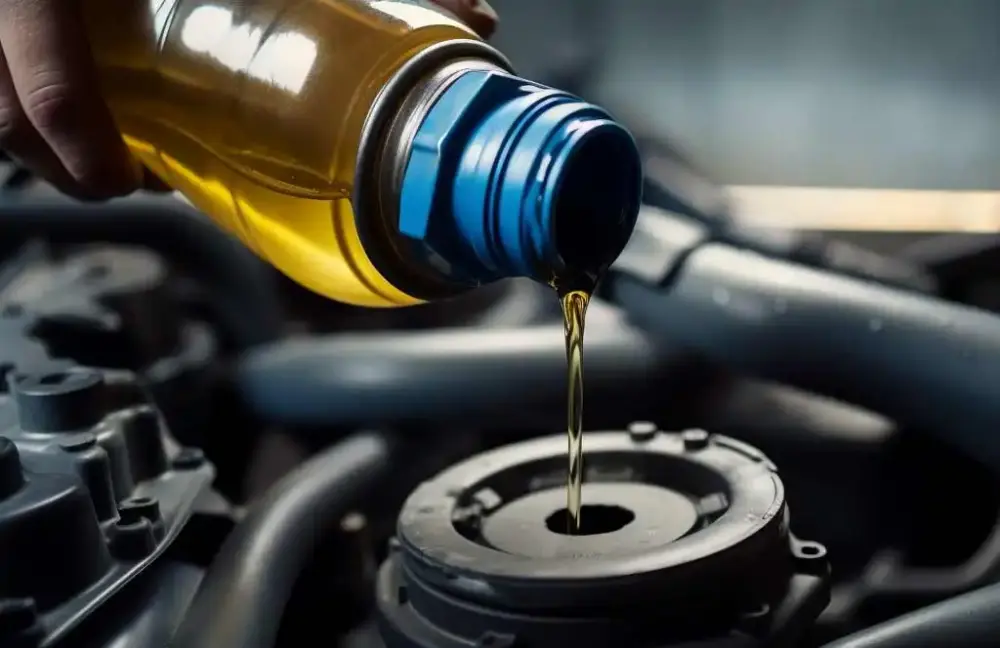
Engine oil is a lubricant added to an internal combustion engine to reduce friction between moving parts, dissipate heat, and maintain optimal operating conditions. Made up of base oils and various additives, it provides several benefits, including:
Reducing friction and wear: Engine parts are in constant motion, and without proper lubrication they would wear out much faster. Engine oil forms a thin film between these parts, reducing wear and extending the engine’s lifespan.
Cooling: In addition to the radiator and cooling system, engine oil plays a supporting role in dissipating the heat generated by the engine’s moving parts.
Cleaning: Modern engine oils contain detergents and dispersants that help remove and suspend dirt and sludge, keeping the engine clean and efficient.
Sealing: Engine oil helps seal the small gaps between the piston rings and cylinder walls, allowing for more efficient compression and thus better engine performance.
Protecting against rust: Engine oil has anti-corrosive properties that help protect vital engine components from rust and oxidation.
The Importance of Regular Oil Changes
An oil change is not just an optional maintenance task — it’s essential. Over time, engine oil breaks down and loses its viscosity, making it less effective at providing the critical functions described above. Here are a few compelling reasons why you should never skip an oil change:
Extended Lifespan
Regular oil changes are one of the simplest ways to extend your car’s lifespan. Dirty or degraded oil can accelerate wear and significantly shorten the engine’s life.
Better Fuel Efficiency
Proper lubrication can also lead to better fuel efficiency. Less friction means the engine doesn’t have to work as hard to move, which improves fuel economy.
Lower Emissions
Fresh oil is more effective at absorbing combustion byproducts, resulting in lower emissions. Dirty oil, on the other hand, can lead to higher emissions, which not only harm the environment but may also cause the car to fail emissions testing.
Reduced Risk of Engine Problems
Neglecting oil changes can lead to serious problems such as overheating, reduced performance, and even complete engine failure, resulting in costly repairs or replacements.
Warning Signs of Poor Engine Oil Condition
Watch out for the following warning signs, which may indicate it’s time for an oil change or inspection:
Conclusion
In summary, engine oil is much more than just a lubricant; it’s a multifunctional component that is vital to your car’s well-being. Regular oil changes and maintenance checks.
Looking for a replacement engine or gearbox?
Request a free quote