
Part Numbers for Car Parts
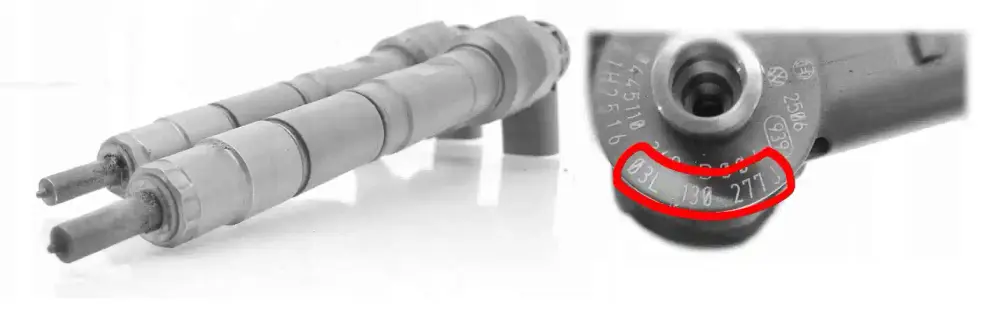
Part numbers are extremely important in the automotive industry for several reasons. First, they guarantee accuracy and precision when ordering spare parts. With thousands of different components available for various makes and models, using the correct part number ensures you get exactly the right part for your vehicle. This not only saves time but also eliminates the risk of buying incompatible parts.
In addition, part numbers provide valuable information about a specific component’s technical details and compatibility. By decoding these alphanumeric codes, mechanics can identify important details such as dimensions, materials used, and even manufacturing dates. This information allows them to make informed decisions during repairs and ensures that the replacement part performs optimally within the vehicle’s system.
Beyond making repairs easier, part numbers also support safety standards. Car manufacturers assign unique codes to their components based on rigorous testing and quality control processes. These codes help ensure that every part meets industry regulations and performance standards. By using parts with genuine, verified part numbers, mechanics can uphold these safety standards and deliver reliable repairs.
Methods for Finding Part Numbers
When it comes to repairing and maintaining your car, knowing the correct part number is crucial. It ensures you purchase the right component for your vehicle and helps you avoid potential compatibility issues. In this section, we’ll look at various methods that can help you find part numbers on car parts.
Check the owner’s manual. One of the first places to look for part numbers is your car’s owner’s manual. This comprehensive guide contains a great deal of information about your vehicle, including details of its various components and their corresponding part numbers. The owner’s manual may have a dedicated section listing commonly replaced parts and their corresponding part numbers. If you don’t have a physical copy of the manual, most manufacturers offer digital versions on their websites.
Inspect the part itself. In some cases, the part number may be directly stamped or engraved onto the component itself. Manufacturers often mark their parts with identifiers so that consumers can easily identify and replace them when needed. Carefully inspect the surface of the part and look for any alphanumeric codes or labels that might indicate the part number.
Use online resources. The internet has made it extremely convenient to find information about almost anything, including car parts and their corresponding part numbers. There are numerous online databases and marketplaces specifically designed for car enthusiasts and DIY mechanics. These platforms let you search for specific parts by entering relevant search terms such as make, model, year, and even VIN (Vehicle Identification Number). Once you’ve found the component you’re looking for, you can usually find its associated part number among the other product details.
In addition, many manufacturers offer official websites where they provide detailed catalogs or search tools that let users look up specific parts using their vehicle information or by entering general product details. These websites often include diagrams and illustrations that help users visually identify different components and provide accurate part numbers.
Consult a car dealer or mechanic. If you can’t find the part number yourself, it’s always a good idea to consult a trusted car dealer or mechanic. These professionals have extensive knowledge and experience with different car models and can often identify parts based solely on their appearance or description. They may also have access to specialized databases or resources that can help them quickly find the correct part number for your specific vehicle.
Car dealers and mechanics don’t just help identify part numbers - they can also offer valuable advice on sourcing genuine parts and recommend reliable suppliers. It’s worth noting that even though they are experts in their field, it’s still advisable to verify the information they provide using the other methods mentioned earlier.
By using these different methods, you can increase your chances of finding the exact part numbers for your car’s components. Remember that knowing the correct part number is crucial for maintaining compatibility and your vehicle’s performance. Take the time to research and verify the information you find, as this will help you make informed decisions when purchasing spare parts.
In the next section, we’ll dive deeper into decoding part numbers and understanding their meaning, further expanding your knowledge in this area.
Decoding part numbers is an essential skill for anyone involved in car repair or maintenance. Part numbers provide crucial information about the specific components needed for a repair, helping ensure the right parts are used and installed correctly. Understanding the structure and meaning of part numbers can save time and money and prevent potential problems down the line. In this section, we’ll explore the process of decoding part numbers, including understanding their structure, getting familiar with manufacturer codes, and interpreting the meaning of numbers and letters.
Part numbers typically consist of a combination of letters, numbers, and sometimes symbols. Each element of a part number serves a specific purpose and provides valuable information about the component it represents. By understanding how these elements are arranged, you can quickly identify important details about a specific part.
The first element of a part number is often the manufacturer code. This code identifies the company that produced the component. It may be an abbreviation or acronym unique to that manufacturer. For example, “ACD” might represent ACDelco, or “OEM” might stand for Original Equipment Manufacturer.
The manufacturer code is usually followed by a series of numbers that provide additional information about the part. These numbers might refer to various attributes such as size, material composition, or functionality. For example, in an engine piston part number “PST1234,” the “1234” might indicate its size or compatibility with certain engine models.
Manufacturer codes are extremely important for identifying who produced a specific component. Knowing common manufacturer codes can help you quickly determine which company made a particular part.
Some manufacturers use easily recognizable abbreviations or acronyms as their codes. For example, “GM” stands for General Motors and is commonly associated with vehicles made by Chevrolet, GMC, Buick, and Cadillac. Other manufacturers may use less obvious codes that require further research or consulting industry resources.
The numbers and letters that follow the manufacturer code in a part number often convey specific information about the component. Interpreting these characters can provide valuable insight into the part’s attributes, compatibility, or other relevant details.
For example, letters in a part number might indicate the type of material used. “S” could represent steel, “A” aluminum, or “P” plastic. These material designations can be crucial when selecting replacement parts that meet certain performance or durability requirements.
Numbers in a part number might indicate measurements, dimensions, or compatibility information. Understanding these numerical values can help ensure you select the right part for your vehicle. For example, if you need a brake pad that is 10 millimeters thick, a part number ending in “10” would indicate compatibility.
Tips for Accurately Identifying Part Numbers
When it comes to car repairs, accurately identifying part numbers is extremely important. Part numbers help ensure you buy the correct replacement parts and can also provide valuable information about the specific component you need. To help you find part numbers on car parts, we’ve compiled a list of tips for accurately identifying part numbers.
Take clear, detailed photos. One of the first steps in identifying part numbers on car parts is to take clear, detailed photos. This allows for a close examination of the part and any markings or labels that may contain the part number. Make sure the photos are well lit and capture all angles of the component. This will help you when searching for the part number later.
Use magnifying tools. Sometimes part numbers can be small or hard to read with the naked eye. In such cases, using magnifying tools can be extremely helpful. A magnifying glass or a digital microscope can help you examine the details of small markings or engravings that may contain important information, such as the part number. These tools help ensure that no detail goes unnoticed.
Cross-reference part numbers. If you’ve found a possible part number on a car component but aren’t sure it’s correct, cross-referencing can provide confirmation. Cross-referencing means comparing the identified part number against other sources, such as manufacturer catalogs, online databases, or even consulting industry professionals. This process helps ensure that you’ve identified the correct part number for your specific car model.
Seek professional help if needed. Sometimes identifying a part number can prove challenging, even after using the various methods mentioned above. If you’re struggling to locate or decode a specific part number, it’s always advisable to seek professional help from mechanics or automotive industry experts who have experience identifying car parts. They have the expertise and knowledge to accurately identify part numbers and can point you in the right direction.
By following these tips for accurately identifying part numbers, you can save time, money, and frustration when searching for car parts. Remember that accuracy is key when identifying part numbers, as even a small mistake can lead to purchasing the wrong component. Taking clear photos, using magnifying tools, cross-referencing part numbers, and seeking professional help when necessary are all essential steps to ensure you find the correct part number for your car repair needs.
Summary
The importance of part numbers in car repairs cannot be overstated. These unique identifiers are crucial for ensuring that the correct parts are used as replacements or in repairs. By providing specific information about a particular car part, part numbers help mechanics and car owners quickly and accurately identify the exact component they need. Without accurate part numbers, the risk of purchasing the wrong part increases significantly, leading to wasted time, money, and frustration.
In this guide, we’ve explored various methods for finding part numbers on car parts. From visual inspection to checking manufacturer labels and manuals, there are several techniques that can be used depending on the part’s availability and visibility. It’s important to approach each method with patience and care, as even a small oversight can lead to misidentification.
Decoding part numbers can sometimes feel like cracking a secret code. However, understanding the structure of part numbers and using online resources, such as manufacturer databases or specialized decoding tools, makes it easier to extract valuable information from these alphanumeric combinations. This knowledge can make a significant difference in sourcing high-quality replacement parts that meet your vehicle’s exact technical requirements.
To ensure effective identification of part numbers on car parts, it’s essential to keep a few key tips in mind. First, always consult your vehicle’s manual or documentation for possible part numbers. Additionally, take advantage of online forums or communities where other car enthusiasts or experienced mechanics may offer valuable insights or guidance. Finally, don’t hesitate to turn to professionals or experts if you encounter difficulties or uncertainties in your search for part numbers.
In summary, finding and understanding part numbers for car parts is an essential skill for anyone involved in car repair or maintenance. The ability to accurately identify and decode these unique identifiers empowers DIY mechanics and car owners to confidently navigate the world of auto parts sourcing. By following the methods in this guide and applying careful research and attention to detail, you can ensure the successful identification and sourcing of the correct parts for your vehicle. So, the next time you need a replacement part, remember the importance of part numbers and the role they play in keeping your car running smoothly.
Looking for a replacement engine or gearbox?
Request a free quote