
Understanding the Most Common Failure Causes of the 1.0 EcoBoost Engine
Introduction
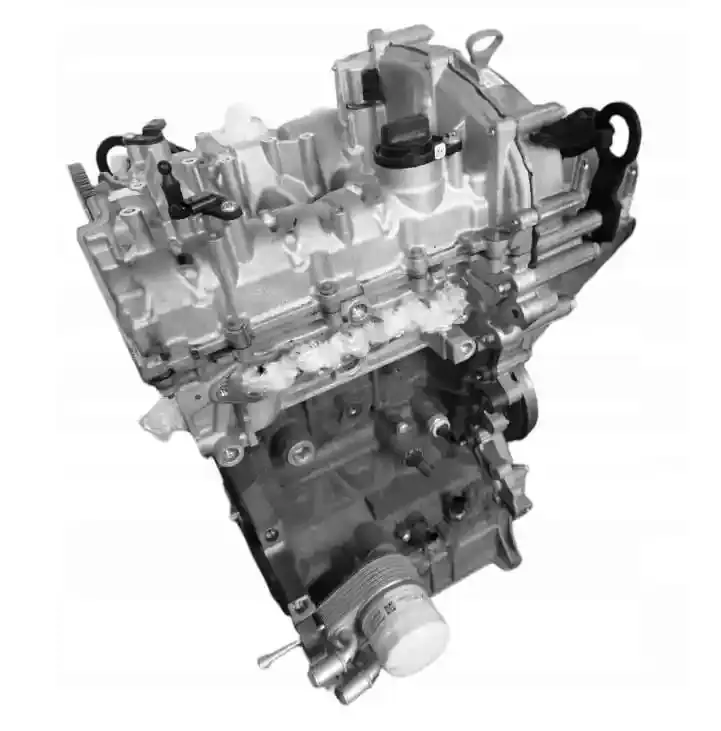
Ford’s 1.0 EcoBoost engine has been a major player in the compact engine market, offering a combination of fuel efficiency and performance. Like any other engine, however, it is not without its own problems. In this blog post, we explore some of the common reasons why 1.0 EcoBoost engines fail, based on information gathered from forums and individual experiences.
Cooling System Failures
One of the most frequently mentioned issues with the 1.0 EcoBoost engine relates to the cooling system. Some owners have reported coolant leaks which, if not addressed quickly, can lead to overheating and catastrophic engine failure. The complexity of the cooling system and the compact nature of the engine can make leaks difficult to identify and repair before they cause significant damage.
Turbocharger Problems
The turbocharger is one of the key components that gives the 1.0 EcoBoost engine its performance edge. However, some users have reported turbocharger failures, which are often linked to poor maintenance or the use of low-quality oil. A failed turbocharger can lead to reduced performance and, in extreme cases, complete engine failure.
Carbon Build-Up
Direct-injection engines like the EcoBoost are prone to carbon build-up on the intake valves. Over time, this can lead to reduced airflow, affecting both performance and fuel efficiency. In severe cases, carbon build-up can cause the engine to run unevenly, potentially leading to engine damage.
Oil Consumption
Some 1.0 EcoBoost owners have reported excessive oil consumption, which can lead to low oil levels and increased wear on engine components. If not monitored closely, this can result in engine failure.
Timing Belt Failures
The timing belt is another component reported to fail in some 1.0 EcoBoost engines. A failed timing belt can cause the engine to stop suddenly, resulting in serious engine damage.
General Maintenance Neglect
Like any engine, the 1.0 EcoBoost requires regular maintenance to function properly. Some failures can be linked to neglecting regular oil changes, using low-quality fuel, or ignoring warning signs such as unusual noises or warning lights.
Conclusion
While Ford’s 1.0 EcoBoost engine offers many benefits, such as fuel efficiency and performance, it is not without its issues. Cooling system failures, turbocharger problems, carbon build-up, oil consumption, and timing belt failures are among the issues owners have reported. However, it is important to remember that regular maintenance and prompt response to any warning signs can prevent engine failure in the long run.
Looking for a replacement engine or gearbox?
Request a free quote